A different Odyssey: Refuge, home and the search for self
Odysseus’s compass always points home, but home is no longer the destination for many displaced people worldwide. Rather, it is carried with us as a part of the self
Posted:
Time to read:
3 Minutes
Guest post by Kinan Noah. Kinan is Lecturer in Human Geography at the University of Exeter, UK. His research focuses on forced migration, sense of identity, narratives, discourse, home and belonging.
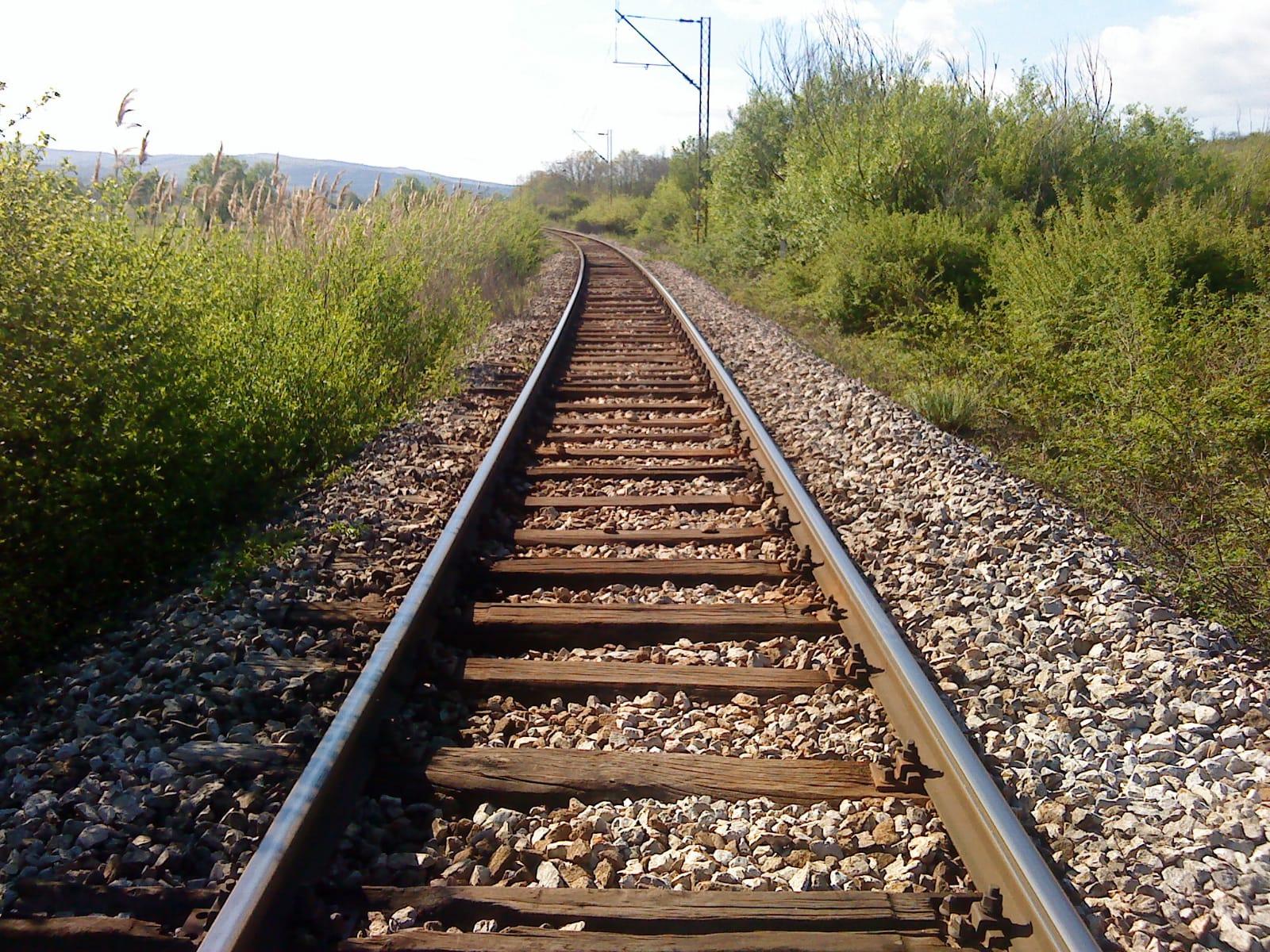
The Odyssey is the one book that has travelled with me wherever I have been. It was with me when I left Syria, on the boat to Greece, across the Balkan route, during six years in Austria, and now in the UK. Watching the latest film adaptation brought that journey back to me, along with questions of memory, home, identity and belonging: How does one’s identity change or stay the same after leaving home? And what happens when, unlike for Odysseus, return is no longer possible?
Odysseus’s journey is sustained by the certainty of home. He knows who he is partly because he knows where he is trying to return to. My own experience of displacement has been less certain. Home remains present in memory, language and sense of self, while the journey itself continues to reshape how I understand belonging and who I have become. Reading The Odyssey made me reflect on what it means for refugees to feel at home, be connected to it, or gradually understand home in ways that are no longer tied to return. In this sense, displacement can become a search for the self as much as, and sometimes instead of, a return to a place.
The journey towards Ithaca?
Odysseus’s journey is always directed towards Ithaca. However far he travels, and however many times he is delayed or diverted, home persists as the destination that gives meaning to his journey. I left Syria knowing where I had come from, but without knowing where the journey would end, nor whether returning home would ever be possible.
This uncertainty was not only about where I was going. It was also produced by the borders I had to cross, and the conditions attached to that movement. My route through Greece and the Balkans was shaped by decisions about who could move, where they could move, and under what conditions. Phipps and Yohannes describe this as a system of “b/ordering”: a process that does more than separate territories, since it also orders racialised and illegalised people, movement and belonging. B/ordering arrangements have therefore become “sources of ambivalence, anxiety and uncertainty,” and even “sources of terror” for many.
Thinking back on my own journey, this helps me understand the border less as a line that I crossed and more as something that shaped the route itself, wherever I was on my journey. This was often characterised by uncertainty, waiting and the sense that where I moved was never entirely my own decision.
This persistent uncertainty changes the nature of the journey itself. The question is no longer only, Where am I going? but increasingly, Who am I becoming while I am away? Home continues to matter, even when return is no longer planned or desired. But its function changes. Rather than remaining only a destination, home becomes a reference; a part of the self. It is carried through language, food, family, music and the ways in which I understand myself. The compass may still point south, even when I have decided to continue north. Yet the direction of travel is not entirely my own decision, as border regimes also determine where and how I can move.
In his autobiographical reflections on displacement, Yohannes describes how crossing borders can be a different experience for different people, shaped by their resources, networks and exposure to danger. Drawing on his own refugee journey, he understands the body as “home without geography”, carrying language, memory and experiences beyond the place left behind. While borders shaped my movement away from Syria, my memory remained something those regimes couldn’t touch – and continued to connect me to home.
In each place, life continued: I worked, studied, formed relationships, learned routines and became familiar with my new surroundings. Yet being somewhere for years does not necessarily mean that the journey has ended, especially when home continues to exist somewhere else in memory. Physical presence and arrival are therefore not always the same thing. To some extent, Odysseus experiences something similar on Calypso’s island. He spends seven years there and is offered an extraordinary life, yet his sense of direction remains fixed on Ithaca. His body is on the island, while his sense of self lies elsewhere.
There may be no Ithaca
Odysseus eventually reaches Ithaca. His long journey has a geographical resolution: he returns to the place he originally left, and to the home that has guided him throughout his travels. For many refugees, there may be no equivalent ending. Home changes, people leave, families such as mine become dispersed, and the person who left may also become someone different. Return may remain impossible, or it may simply no longer be desirable.
Syria is where my journey began, but it is no longer where I imagine the journey ending. Yet where I come from, and the experiences of displacement and crossing borders, continue to shape who I am and how I understand home.
Perhaps forced displacement produces a different kind of Odyssey. Odysseus wanders because he cannot reach home. For refugees, the journey may continue in another sense, long after crossing physical borders, because home can no longer provide the ending. The search becomes less about recovering the geographical place that was left behind, and increasingly about understanding the self that continues to develop in relation to it. My journey, in that sense, is still ongoing.
Any comments about this post? Get in touch with us! Send us an email, or find us on LinkedIn, Bluesky and Instagram.
How to cite this blog post (Harvard style):
K. Noah. (2026) A different Odyssey: Refuge, home and the search for self. Available at:https://blogs.law.ox.ac.uk/border-criminologies-blog/blog-post/2026/10/different-odyssey-refuge-home-and-search-self. Accessed on: 30/10/2026Keywords:
Asylum
Share:
With the support of