Psychotropic drugs and self-harm: The brutal reality of Italy’s immigration detention centres
Extremely high rates of ‘critical events’ and routine sedation all paint a picture of daily suffering, while CPRs boast of providing Twister and bowling
Posted:
Time to read:
5 Minutes
Guest post by Luca Rondi. Luca Rondi is a journalist who writes investigations and reportage for the monthly magazine Altreconomia. His latest book is “Frontiera Albania. Come la detenzione si è fatta modello e chi ci guadagna” (July 2026). He is co-author of “Gorgo Cpr. Tra vite perdute, psicofarmaci e appalti milionari” (2024) with Lorenzo Figoni; “Respinti. Le ‘sporche frontiere’ d’Europa, dai Balcani al Mediterraneo” (2022) with Duccio Facchini, and of several contributions to the essay “Chiusi dentro. I campi di confinamento nell’Europa del XXI secolo” (2024) edited by RiVolti ai Balcani. All books are published by Altreconomia. This post is the introduction to a thematic series on healthcare and detention.
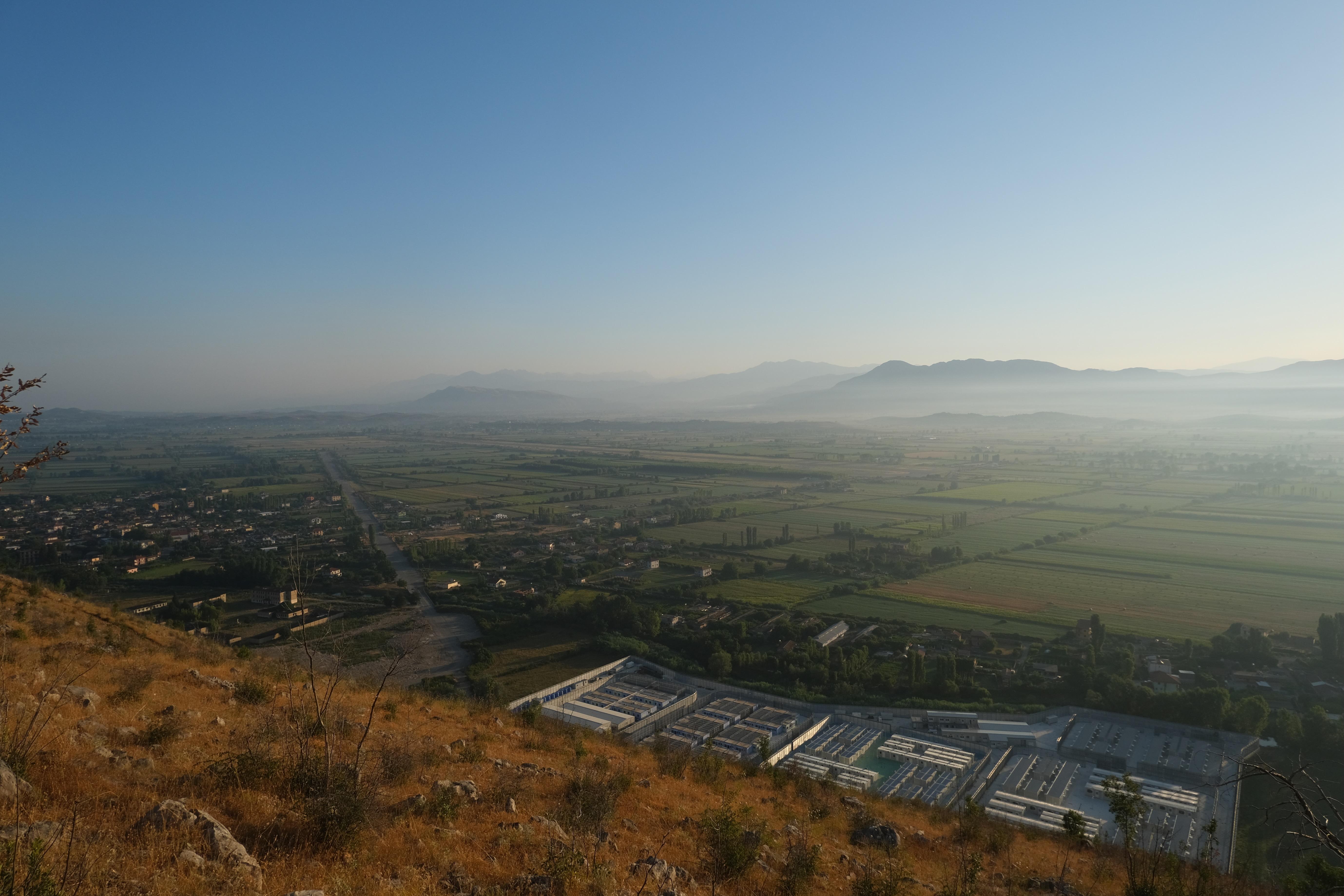
Locked up and sedated. This is the title of the investigation published in April 2022 that quantified the use of psychotropic drugs in Italian pre-removal detention centres (known as Centri di Permanenza per i Rimpatri, CPRs). The report highlighted the suffering of people detained in these facilities. Through a freedom of information (FOI) request, we asked local health authorities for the expenditure on psychotropic drugs across the ten facilities in 2021. To compare the data obtained on pharmaceutical spending by detention management companies, we requested the same information from the Centre for Immigrant Health (ISI) in Vercelli. This service caters to people without a residence authorisation (and who are therefore not registered with the National Health Service). The ISI serves a population similar to that of CPR detainees in terms of age (15–45 years), origin, and “irregular” status.
The comparison was staggering: in Milan, spending inside the detention centre is 160 times higher than by the ISI (outside detention); in Turin, 110 times higher; in Rome, 127.5 times higher. Beyond the volume, the types of drugs used are equally alarming. In addition to Rivotril, an anti-epileptic widely used for its sedative effects, antipsychotics such as Quetiapine and Olanzapine – prescribed according to their package inserts for schizophrenia and bipolar disorder – are also in common use. In Caltanissetta detention centre, the purchase of 30,000 tablets of Akineton, a drug for Parkinson’s disease, administered over just two years was recorded.
These figures raise serious questions: from the lack of informed consent (that is, how many of those detained actually know what they are taking) to therapeutic abandonment, in relation to what happens once people leave the CPR and abruptly discontinue their ‘treatments’. Additionally of concern is the ‘powder keg’ effect: this heavy over-medication fuels tension and conflict within the facilities, as psychotropic drugs become instruments of blackmail, oppression, and ‘exchange’ among detainees themselves.
Extremely high rates of self-harm
The quantity of psychotropic drugs is not the only lens through which to observe the violence of these institutions. Daily suffering emerges clearly from the so-called “critical events register”, a document in which staff record acts of self-harm, suicide attempts, fights, and protests. Telling this story is an enormous challenge for journalists: even though access is formally permitted, it is in practice systematically denied. What is more, on the rare occasions when entry is granted, what is shown is often a carefully staged performance prepared for the visit. This is precisely why the register is so important.
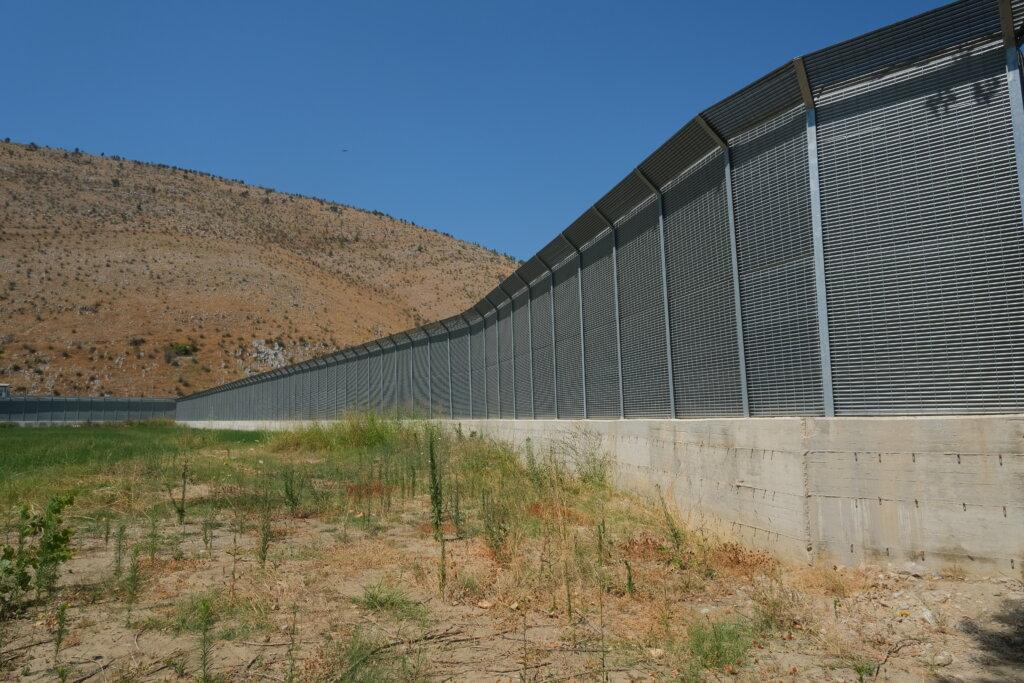
A few figures from different periods: in Milan, there was one critical event every two days over six months; in Turin, in April 2025, 22 events in 29 days; in Palazzo San Gervasio, one per day in February 2026; in Bari, one every 3.5 days. The rate is extremely high, but what is truly striking is the description of these ‘events’. In the book Frontiera Albania we recount daily life inside the CPR in Gjader, Albania. This is the eleventh Italian CPR (Centri di Permanenza per il Rimpatrio / Detention and Repatriation Center) provided for under the protocol signed between Italy and Albania, which opened in April 2025. Here is a brief extract:
On 17 April, one of the detainees “simulates a strangulation attempt with a sheet tightened around his neck” and the [cultural] mediator “convinces him to desist.” At 4:00 pm, another detainee “uses a piece of wire to try to sew his lips shut, piercing the upper and lower lip with an electrical wire.” Shortly afterwards, the man becomes embroiled in “a violent altercation” with another detainee. He refuses medical treatment and accuses his fellow detainee of wanting to kill him. At 9:20 pm, one of those held sets fire to his clothes, “triggering the fire alarm,” and less than thirty minutes later another “fashions a rope from disposable sheets, simulating strangulation.”
The facility had been open for just seven days and the total number of critical events had already reached 25.
Detention centre ‘holiday brochures’
This is the reality of the CPRs: a reality that clashes sharply with the ‘life’ described in the bids submitted by private managing bodies competing for the lucrative contracts to run these centres. The bid submitted by Medihospes in March 2024 for the €133m tender to manage the confinement centres in Albania reads more like a holiday village brochure. It speaks of:
“One hour of daily physical activity (ranging from Twister to bowling to balance games); three times a week, reading sessions dedicated to young children to ‘enrich vocabulary and stimulate imagination’; entertainment shows (every Tuesday and Friday), as well as music workshops and ‘baby movies’ to ‘create a more favourable climate for social inclusion’.”
Activities for older children “include table football, ping-pong tables, and TVs equipped with streaming services and pay-per-view subscriptions.” And then a great many workshops on hygiene (“cultural and personal histories often lead to a lack of a common foundation of basic hygiene knowledge. Topics covered will include hand hygiene, intimate hygiene, oral hygiene, etc.”); on sexuality (“in-depth sessions to ‘inform them about the social codes governing relations between men and women in Europe’”); and workshops entitled “‘Sport for Peace’” which “aim to instil the ‘Golden Rule: do unto others as you would have them do unto you, through sport and team games’”. This “resort lifestyle” described in the Albania contract can be found in almost all Italian CPR public tenders.
The new 'panoptic CPR'
There is one final aspect that speaks to the pathogenic nature of these places. Not only are the existing facilities – from an architectural standpoint – dilapidated and profoundly violent (see the aerial photographs taken as part of the project “Chiusi dentro. Dall’alto”) but so too are the new ones the government intends to build. The latest construction project of a CPR in Castel Volturno, in the province of Caserta, envisages a structure modelled on the panopticon designed by Jeremy Bentham over 235 years ago. The tender documents, published in April 2026, state that in order to guarantee “the possibility of maintaining genuine contact with the outside world” (as the Committee prescribes), “the installation of a telephone and data network system has been planned within the accommodation to enable communication with the outside.” It adds that residents “may move freely within the detention facility” – whilst at the same time it is possible to “manage the movement flows of residents and maintenance staff without interference between them and to ensure the possibility of confining residents in particular circumstances.”
The various ‘levels of detention’ resurface shortly thereafter. The CPT requirements state that the centres must offer “material conditions of detention and a regime appropriate to their legal situation, with suitably qualified staff.” The project proposal states that “the centre is specifically designed to guarantee appropriate and scalable levels of detention depending on the legal situation and conditions of hostility.”
The announcement of the 'panoptic CPR' came at the end of April 2026. According to updated data on the first six months of this year (up to 23 June 2026) obtained by Altreconomia, there were 919 repatriations from CPRs out of 3,630 people forced to leave Italy – 25% of the total. Increasing the degree of suffering, control, and oppression thus becomes even more brutal. Or perhaps it simply serves the true objective of a total institution.
Any comments about this post? Get in touch with us! Send us an email, or find us on LinkedIn, Bluesky and Instagram.
How to cite this blog post (Harvard style):
L. Rondi. (2026) Psychotropic drugs and self-harm: The brutal reality of Italy’s immigration detention centres. Available at:https://blogs.law.ox.ac.uk/border-criminologies-blog/blog-post/2026/11/psychotropic-drugs-and-self-harm-brutal-reality-italys. Accessed on: 24/11/2026Keywords:
Healthcare and detention
Share:
With the support of