On the limits and harms of LGBTQ+ asylum models: new book Queering UK Refugee Law
Frameworks initially developed to help legal advisors support LGBTQ+ asylum claimants are increasingly used by decision makers as reasons for refusal
Posted:
Time to read:
5 Minutes
Guest post by Alex Powell. Dr Alex Powell is Associate Professor in Law at the University of Warwick. His research specialises in the intersections of law and culture with a particular focus on how administrative institutions such as the Home Office understand cultural artefacts such as gender and sexuality. His first monograph, Queering UK Refugee Law: Sexual Diversity and Asylum Administration was published by Bristol University Press in November 2025 and explores the lived experiences of LGBTIQA+ people navigating the UK asylum system.
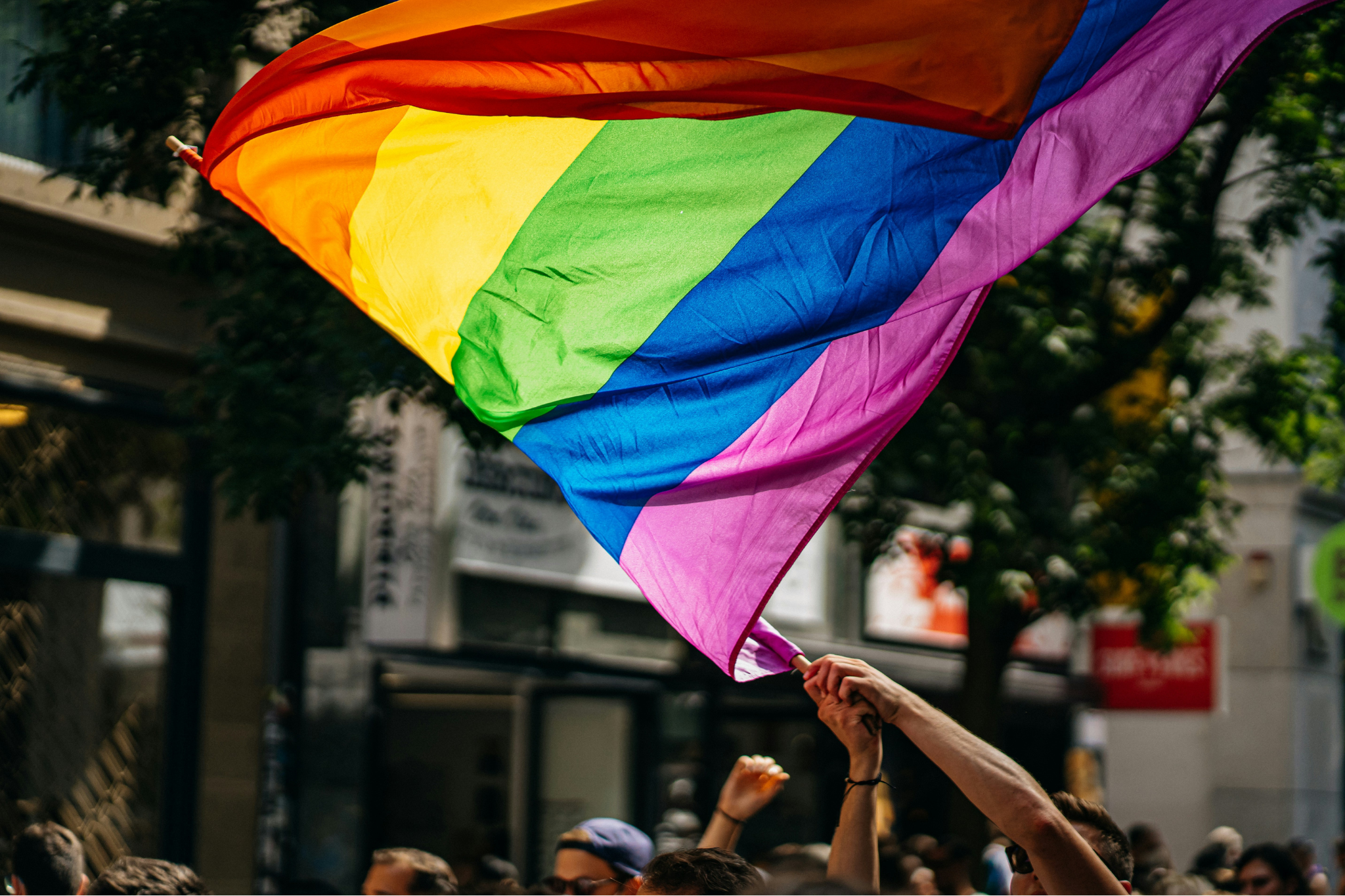
Recent years have seen significant public and political focus placed on the rights of both LGBTIQA+ people and people seeking asylum. In 2023, then Home Secretary, Suella Braverman, falsely claimed that LGBTIQA+ people were being granted asylum on the grounds of discrimination alone, and said this was a sign of where the UK asylum system had gone wrong. Misleading and hostile claims such as these have also coupled with significant legislative shifts that have further limited access to asylum in the UK.
LGBTIQA+ people seeking asylum can, therefore, be understood as occupying a subject position which sits at the convergence of two moral panics. In my new book, Queering UK Refugee Law: Sexual Diversity and Asylum Administration, I explore the lived experiences of LGBTIQA+ people seeking asylum in the UK and the practitioners representing them, in order to contribute to developing our understanding of how effectively the refugee status determination system makes sense of their claims. In doing so, I also consider how the UK’s shifting political and legal context affects their experiences of the asylum system.
The book draws on 26 semi-structured interviews with LGBTIQA+ refugees, legal practitioners and people working and volunteering in third sector organisations which support people seeking asylum. I explore the UK asylum system during a moment of profound change, with the interviews taking place during a period when both the Nationality and Borders Act 2022 and the Illegal Migration Act 2023 were passed. This allowed me to track emerging new logics within the asylum system, with a particular emphasis on how these logics, and the legislation they underpin, vulnerabilise and marginalise those whose claims for protection are premised on forms of non-normativity.
The book outlines a diverse range of themes, including: how models (frameworks through which both decision-makers and legal practitioners are guided to address the question of whether a given claimant is LGBTIQA+) cause harm by foreclosing the ways in which decision-makers make sense of gender and sexuality; how anti-migration policy undermines the ability of the asylum system to function; and the ways in which political discourses undermine the safety of both people seeking asylum and those who represent and support them. In this blog post, I expand on the first of these themes, outlining how the use of models in some asylum claims operate to essentialise and limit how decision-makers understand and make sense of LGBTIQA+ people’s experiences, resulting in difficulties for subsequent claimants.
Models for asylum claims
My research highlights the problems that arise when models are used as a way of showing that a given person is or would be perceived as LGBTIQA+. Models such as the Difference, Shame Stigma Harm (DSSH) model were originally offered by legal practitioners as a framework for legal representatives to more effectively prove that a given person seeking asylum is, for example, a lesbian or gay man. Models relating to sexual orientation and gender identity-based asylum claims generally comprise themes that might be explored within a claimant’s narrative in order to enable them to evidence their claim. However, the same models were subsequently promoted for adoption by migration agencies and have clearly influenced the guidance issued to decision makers – sometimes with negative effect for the claimants.
In the case of asylum claims by LGBTIQA+ people, the DSSH model is currently widely used across a range of asylum systems internationally, with themes from the model being clearly present in the 2016 Asylum Policy Instruction on Sexual Orientation in Asylum claims, which remains the most current iteration of the guidance provided to decision-makers in the UK.
This model is intended to be a helpful tool for people seeking to evidence their LGBTIQA+ identity for the purpose of an asylum claim. However, refugees, legal representatives and people working in the third sector all reported that themes introduced by the model are increasingly featured as reasons for refusal or incredulity by decision-makers in the asylum system.
This element of my findings builds on a growing international recognition that the DSSH model, which was endorsed within the United Nations High Commissioner for Refugees’ Guidelines Number 9 on Sexual Orientation in Asylum claims, may be resulting in highly calcified and fixed conceptions of sexual identity within decision-making. This trend has seen the model feature as much as a reason for refusal as a framework by which asylum seekers can discharge the burden of proof.
Indeed, my research also found that these issues were exacerbated by recent shifts in asylum policy. For example, the shift towards utilising larger scale accommodation facilities, such as hotels, mean that many LGBTIQA+ people seeking asylum may not feel comfortable or safe to access LGBTIQA+ spaces. This, in turn, may undermine their ability to provide a “narrative of difference”, which is a key feature of the DSSH model and something which decision-makers have increasingly expected to see.
Building on these findings about the impact of models, my research reflects on the subjectivities of legal practitioners, many of whom felt caught between an obligation to support the best interests of their individual client by using frameworks such as the DSSH model, while retaining an awareness that their use of such models may lead to increased difficulties for subsequent claimants. This is because the widespread use of the model means that decision-makers end up encountering the same themes with increasing frequency, making it harder for people whose stories don’t fit that narrative to have their claims considered with equal weight. The difficulties that arose when a claimant’s narrative did not fit with the kinds of expectations set out in the DSSH model was one of the issues which came up the most frequently across the interviews which underpin the book.
On this basis, my research questions the broader effects of using models within the asylum system, by demonstrating that they may function as a reason for the refusal of asylum claims, just as much as they provide a resource to support people seeking asylum. Building on this, I argue for a return to the fundamentals of refugee law with the focus on establishing fear of persecution for a Refugee Convention reason, as opposed to the current focus on establishing identity.
Queering UK Refugee Law
Alongside the impact of models, my research outlines the serious complexity and uncertainty that currently pervades the asylum system. The UK government continues to make further proposals for reform, but these reforms will do nothing to create a fair and workable system that enables the UK to live up to its international obligations. In this context, my work calls for resistance to oppressive constructions of sex, gender and sexuality and instead argues that we need to depart from a focus on identity as the core issue in LGBTIQA+ asylum claims.
Any comments about this post? Get in touch with us! Send us an email, or find us on LinkedIn and Bluesky.
How to cite this blog post (Harvard style):
A. Powell. (2026) On the limits and harms of LGBTQ+ asylum models: new book Queering UK Refugee Law . Available at:https://blogs.law.ox.ac.uk/border-criminologies-blog/blog-post/2026/02/limits-and-harms-lgbtq-asylum-models-new-book-queering. Accessed on: 28/10/2026Keywords:
Asylum
Share:
With the support of